
vLEI and Business Authentication
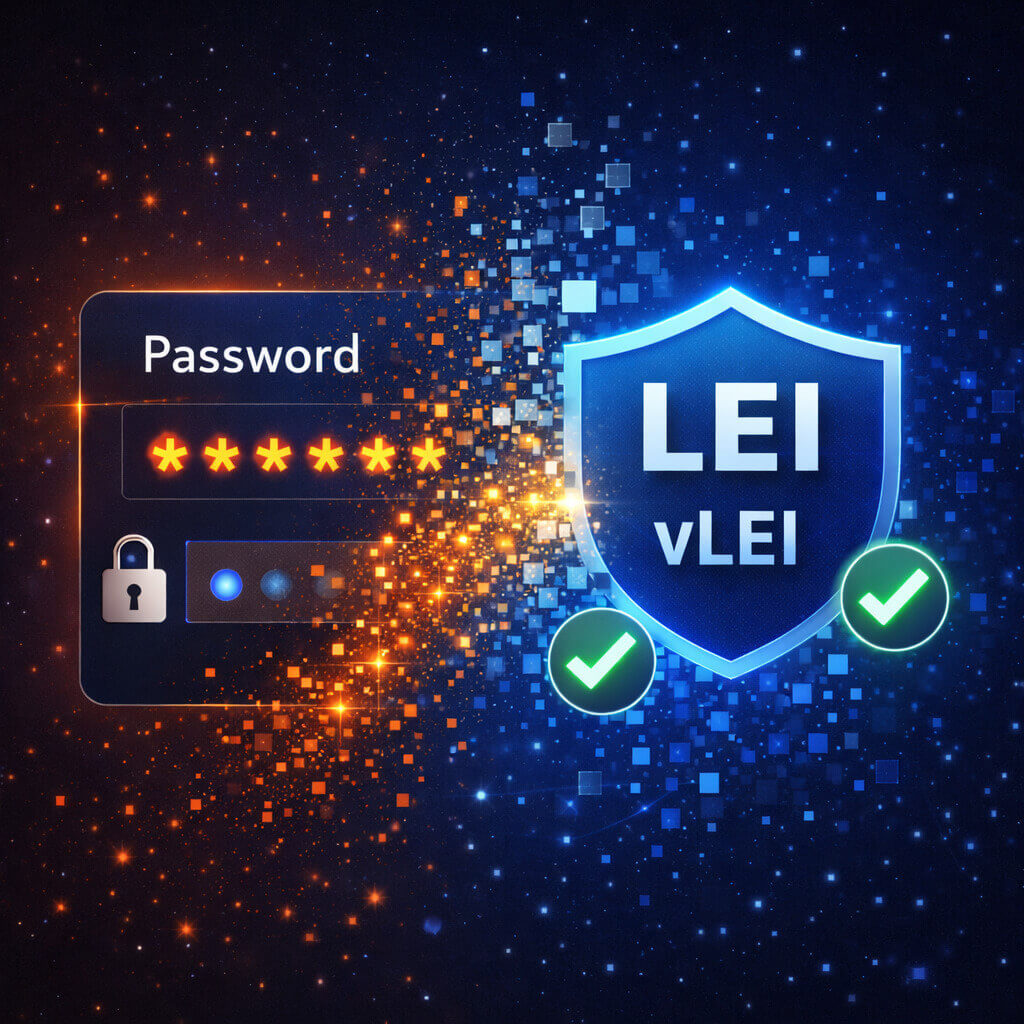
Could vLEI technology replace passwords for business authentication in the future? The digital world still relies heavily on passwords. Every day, people log into systems, approve transactions, and access platforms using user accounts and passwords. In a business context, however, this approach has an important limitation. A password only proves that someone was able to […]
How LEI Is Used in the USA

Why LEI Is Used in the USA In the United States, the LEI code is used in situations where a company’s activities involve regulated financial transactions or the use of professional financial services. LEI was not created as a general company identifier nor as a substitute for a business registry. Its purpose is to enable […]
How LEI Works in Practice in the EU
Why LEI Is Not Just a Formal Requirement Many companies first encounter the LEI code when a bank, broker, or another financial service provider tells them they need one. The requirement often feels like another formal step before a transaction can move forward. From a company’s perspective, the LEI may seem like just a number […]
Cybersecurity Starts With Business Identity

Cybersecurity does not start with technology, but with trust Cybersecurity is often described as a technical challenge. Firewalls, access controls, monitoring systems, and incident response tools tend to dominate the discussion. While these measures are essential, they are not where cybersecurity truly begins. In practice, it starts much earlier — at the moment an organisation […]
LEI registration required documents

Are documents required to apply for an LEI code? In most cases, companies can register an LEI code without submitting any documents. The process is fully digital and relies on official business registers. When a company appears in a public register and a person with registered signing authority submits the application, the system verifies the […]
LEI statuses explained
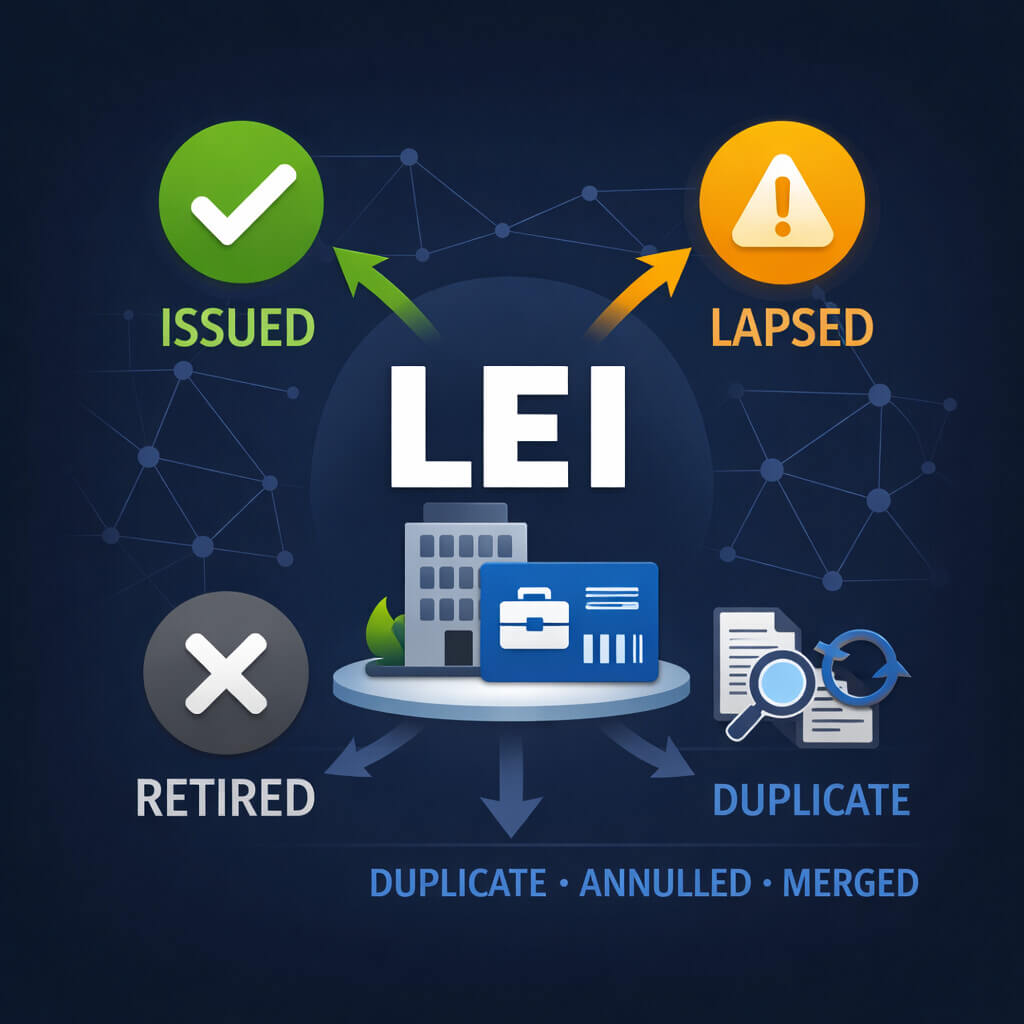
Why the LEI status matters as much as the LEI itself The LEI code is used to uniquely identify legal entities in the global financial system. However, having an LEI alone does not provide the full picture. Just as important is the LEI status, which indicates whether the data linked to the LEI can be […]
The Business Value of LEI Level 2 Data
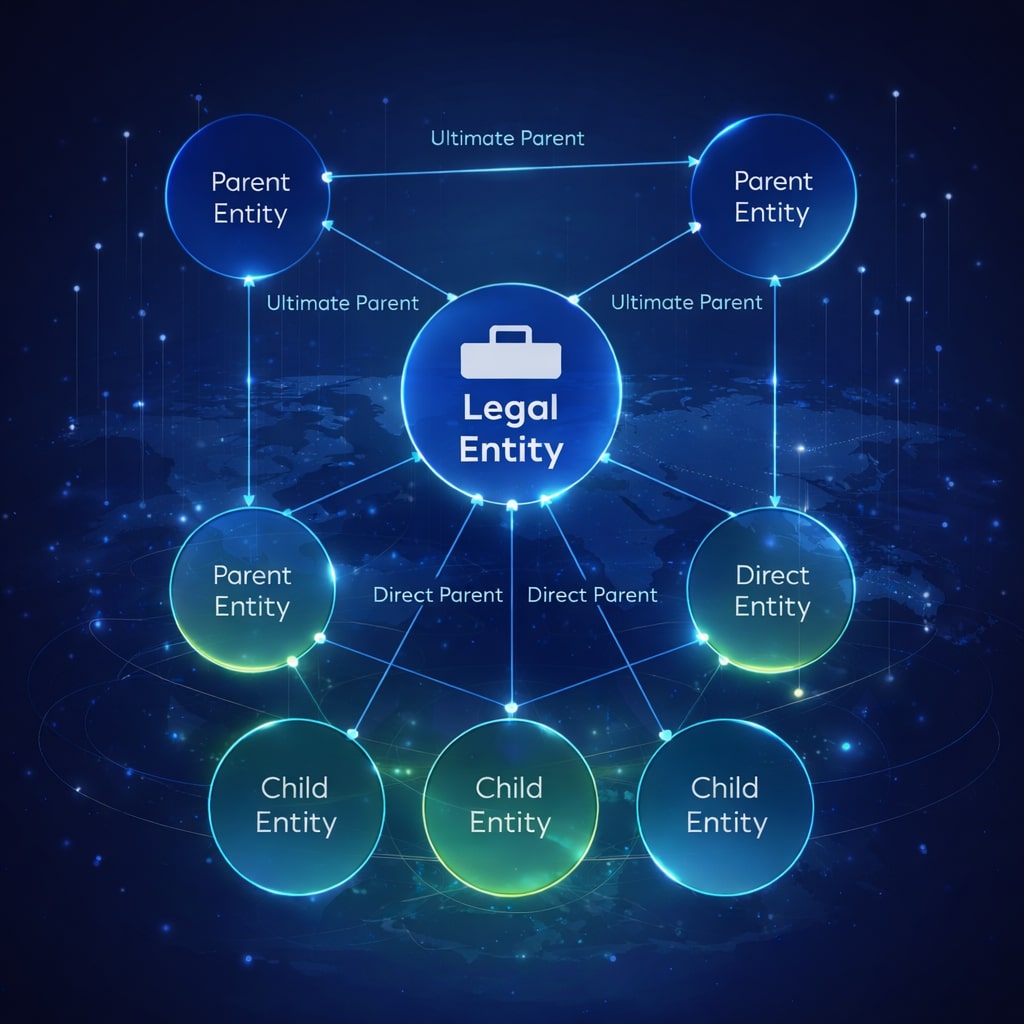
LEI beyond a formal requirement The LEI code is often seen as a formal obligation. Something that must be completed so an account can be opened, a transaction processed, or a regulatory requirement fulfilled. This view is understandable, but it only reflects part of the LEI system’s purpose. An LEI is not just an identifier. […]
LEI and Investment Platforms

Investment platforms as regulated financial institutions Investment platforms, including brokers, trading platforms, and investment-focused fintech companies, provide access to financial markets and enable trading in instruments such as shares, bonds, funds, and derivatives. When these platforms serve corporate clients, they operate as regulated financial institutions rather than simple technology providers. In the European Union and […]
vLEI: A New Era of Digital Identity
vLEI – The Future of Digital Organizational Identity The digital economy continues to expand at remarkable speed. Companies sign contracts online, exchange documents across borders in seconds, and work with partners they have never met in person. Trust has become one of the most valuable currencies in this environment. For more than a decade, the […]